Aesthetic Clinic

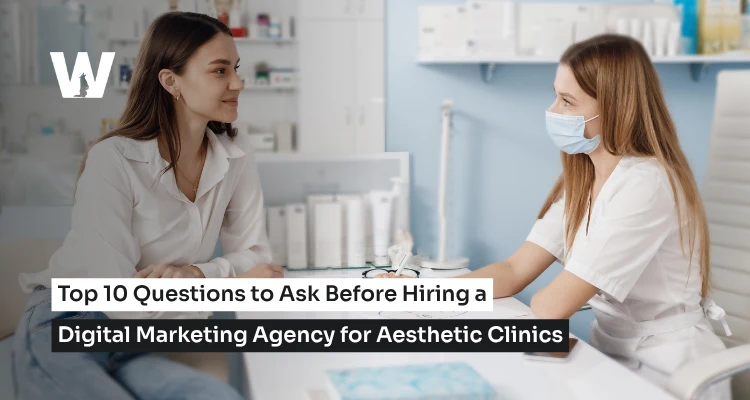
Top 10 Questions to Ask Before Hiring a Digital Marketing Agency for Aesthetic Clinics

Top 10 Questions to Ask Before Hiring a Digital Marketing Agency for Aesthetic Clinics

Aesthetic clinics face unique marketing challenges that generic agencies simply can't navigate. From HIPAA compliance to FDA regulations, from building trust in elective procedures to targeting high-value local clientele, your marketing needs are specialised.

These 10 essential questions will help you identify the perfect digital marketing agency for your aesthetic clinic. Asking the right questions upfront can save you thousands in wasted spend and missed opportunities.

The most important questions include experience with healthcare regulations, case studies from similar clinics, local SEO strategy, reputation management approach, and compliance knowledge for before/after marketing.

Question 1: Do You Have Experience with Healthcare and Aesthetic Marketing Regulations?

Understanding Compliance in Aesthetic Marketing

This question immediately separates qualified agencies from those who'll learn compliance on your budget. Healthcare marketing regulations aren't suggestions—they're legal requirements with serious consequences for your clinic's reputation and legal standing.

Qualified agencies should demonstrate comprehensive knowledge of healthcare marketing regulations without needing prompts or explanations. They should speak confidently about compliance requirements and have established processes for ensuring all marketing materials meet regulatory standards.

Key regulatory areas they should know:

  1. HIPAA compliance for patient testimonials and case studies
  2. FDA regulations for cosmetic procedure claims and advertising
  3. State medical board advertising rules and restrictions
  4. Before/after photo legal requirements and consent processes

The BAA test - A critical indicator:

Look for agencies that mention Business Associate Agreements (BAAs) without prompting. These legally required documents ensure your agency handles patient information properly. If they've never heard of BAAs, they're not ready for healthcare marketing.

Compliance processes to discuss:

  1. Medical compliance review procedures for all content
  2. Legal approval processes for treatment claims
  3. Understanding of cosmetic vs medical procedure advertising differences
  4. Regular updates on changing regulatory requirements

Red flag responses to avoid:

  1. "We'll figure it out as we go"
  2. "We've never had problems before"
  3. Vague or dismissive answers about compliance procedures
  4. Unwillingness to discuss regulatory requirements in detail

Question 2: Can You Show Me Case Studies from Similar Aesthetic Clinics?

Evaluating Track Record with Medical Aesthetics

Case studies reveal an agency's true capabilities and experience level. However, you need to look beyond impressive numbers and examine the depth of their healthcare marketing understanding.

Generic "increased website traffic by 200%" claims mean little without context about lead quality, conversion rates, and compliance considerations. Quality case studies should tell a complete story of challenges, strategies, and outcomes specific to aesthetic clinic marketing.

What quality case studies should include:

  1. Initial challenges the clinic faced (patient acquisition, competition, compliance)
  2. Strategic approach developed specifically for healthcare marketing
  3. Specific tactics implemented with compliance considerations
  4. Quantifiable results achieved over realistic timeframes
  5. Compliance challenges addressed and solutions implemented

The right metrics to examine:

  1. Patient acquisition costs by treatment type and marketing channel
  2. Average treatment values and revenue per patient
  3. Consultation conversion rates from different lead sources
  4. Patient retention rates and repeat treatment percentages
  5. Referral generation statistics and word-of-mouth impact

Reference verification process:

Request contacts for current aesthetic clinic clients and speak directly with other clinic owners. This reveals insights about communication style, crisis management capabilities, long-term partnership satisfaction, and real-world problem-solving approaches that case studies can't capture.

Portfolio compliance assessment:

Examine their portfolio for compliance red flags. Do their examples show proper before/after photo presentations? Are treatment claims appropriately qualified? Do patient testimonials follow privacy guidelines? Strong agencies will volunteer information about challenges they've navigated, not just successes they've achieved.

Question 3: What's Your Strategy for Local SEO and Google My Business?

Dominating Local Search for Aesthetic Services

Local SEO is absolutely critical for aesthetic clinics because most patients search for treatments within driving distance. If you're not dominating local search results, you're losing qualified prospects to competitors every day.

Your agency should understand that aesthetic clinic local SEO requires different strategies than typical local businesses. Patients search for specific treatments, research extensively before deciding, and often compare multiple clinics before booking consultations.

Comprehensive local SEO components:

  1. Google My Business optimisation with strategic posting and updates
  2. Local citation building across industry-relevant directories
  3. Location-specific content creation targeting service areas
  4. Review management integration with broader SEO efforts
  5. Local keyword targeting for treatment-specific searches

Multi-location strategy considerations:

Many aesthetic clinics operate multiple locations, each requiring localised SEO strategies whilst maintaining brand consistency. Ask about their approach to:

  1. Individual optimization strategies for each branch location
  2. Consistent brand messaging across all clinic locations
  3. Location-specific content that serves local search intent
  4. Separate Google My Business profile management and optimization

Advanced Google My Business management:

Quality agencies discuss strategic posting schedules, Q&A management and monitoring, local keyword targeting integration, and performance tracking with optimization recommendations. This goes far beyond basic listing management.

Industry-specific local marketing:

Local citation building should extend beyond basic directories to include industry-specific platforms, medical directories, healthcare associations, and local business networks relevant to aesthetic clinics.

Question 4: How Do You Handle Online Reputation Management?

Protecting Your Clinic's Digital Reputation

Online reputation can make or break aesthetic clinics. Potential patients research extensively before booking consultations, and negative reviews significantly impact decision-making processes. Your agency's approach to reputation management directly affects your clinic's growth potential.

Healthcare reputation management requires specialised knowledge of patient privacy laws, medical ethics, and crisis communication strategies. Generic reputation management approaches can create legal problems or damage patient relationships.

Proactive monitoring systems:

Your agency should offer comprehensive monitoring, not just reactive damage control:

  1. Multi-platform tracking across review sites, social media, and healthcare forums
  2. Real-time alerts for new mentions, reviews, or discussions about your clinic
  3. Sentiment analysis to identify trending issues before they become problems
  4. Competitor monitoring to understand market positioning and opportunities

Compliant review acquisition strategies:

Quality agencies focus on encouraging satisfied patients to share experiences whilst respecting privacy regulations:

  1. Systematic follow-up processes that respect patient privacy
  2. Convenient review platform access without pressure tactics
  3. Medical ethics guidelines adherence throughout the process
  4. Compliance with HIPAA requirements for all patient interactions

Healthcare crisis management protocols:

Crisis management in healthcare requires specific expertise. Your agency should have established protocols for:

  1. Handling negative reviews about treatment outcomes professionally
  2. Addressing privacy concerns or potential HIPAA violations
  3. Managing regulatory complaints or licensing board issues
  4. Responding to false or defamatory content whilst maintaining professionalism

Building comprehensive social proof:

Reputation management extends beyond reviews to include showcasing success stories with proper consent, demonstrating clinical expertise and credentials, managing patient testimonials compliantly, and highlighting professional recognition and industry awards.

Question 5: What's Your Approach to Social Media Marketing for Medical Aesthetics?

Social Media Success for Aesthetic Clinics

Social media marketing for aesthetic clinics requires balancing visual appeal with regulatory compliance, educational content with promotional messaging, and patient privacy with authentic storytelling.

Each platform serves different purposes and audiences in aesthetic clinic marketing. Your agency should understand these distinctions and develop platform-specific strategies that maximise engagement whilst maintaining compliance.

Platform-specific strategies:

Instagram excels for visual content and showcases:

  1. High-quality before/after transformations with proper consent
  2. Behind-the-scenes clinic content showing professionalism
  3. Educational carousel posts explaining procedures and benefits
  4. Stories for real-time engagement and appointment availability

Facebook works best for community building and education:

  1. Detailed educational content about treatments and recovery
  2. Live Q&A sessions with clinic doctors and staff
  3. Patient testimonials and success stories (with consent)
  4. Event promotion for open houses and consultation specials

TikTok reaches younger demographics interested in preventative treatments:

  1. Quick educational content addressing common questions
  2. Trending beauty and wellness topics relevant to your services
  3. Authentic, relatable content that builds trust with younger audiences

Compliant content creation framework:

Content creation for before/after results requires understanding both aesthetic appeal and legal compliance. Your agency should demonstrate knowledge of:

  1. Showcasing transformations effectively whilst respecting patient privacy
  2. Following platform-specific guidelines for medical content
  3. Maintaining regulatory compliance across all social media activities
  4. Creating engaging content that educates rather than making unrealistic promises

Influencer partnership considerations:

Aesthetic clinics can benefit from influencer collaborations, but these partnerships require careful vetting of potential partners, clear compliance considerations and disclosure requirements, authentic alignment with clinic values, and proper contracts addressing medical advertising rules.

Question 6: How Do You Generate and Nurture High-Quality Leads?

Converting Prospects into Patients

Lead generation for aesthetic clinics requires understanding the complex psychology behind elective medical procedure decisions. Unlike typical service businesses, aesthetic clinic patients need extensive education, trust-building, and reassurance throughout their consideration journey.

Successful lead generation focuses on attracting qualified prospects who are genuinely interested in treatments, have realistic expectations, and can afford your services. Quality matters far more than quantity in aesthetic clinic marketing.

Targeting high-intent prospects:

Effective lead generation strategies should focus on:

  1. Consultation bookings rather than general website visits or information requests
  2. Qualified prospects over raw traffic numbers or social media followers
  3. Treatment-specific targeting for different procedures and price points
  4. Local market focus within your actual service area coverage

Conversion-optimised landing page strategy:

Landing pages for aesthetic clinics require understanding patient psychology and decision-making factors:

  1. Address common concerns and questions about procedures upfront
  2. Showcase clinic expertise, credentials, and professional certifications
  3. Make consultation booking convenient and accessible across devices
  4. Build trust through authentic testimonials and before/after galleries
  5. Include clear, compelling calls-to-action without high-pressure tactics

Lead scoring and qualification systems:

Ask about their lead scoring processes to ensure sales team efficiency:

  1. Inquiry source tracking to identify most valuable marketing channels
  2. Lead quality assessment based on your specific clinic criteria
  3. Automated qualification through strategic questions and forms
  4. Priority routing for high-value prospects and urgent inquiries

Sophisticated nurture sequence development:

The consideration period for cosmetic procedures often spans months, requiring educational nurture sequences that provide value whilst building confidence:

Educational content components:

  1. Detailed procedure explanations with realistic timelines and expectations
  2. Recovery information and post-treatment care instructions
  3. Cost breakdowns and financing option explanations
  4. Before/after showcases with proper patient consent and realistic results

Trust-building elements:

  1. Doctor credentials, training, and expertise demonstrations
  2. Clinic certifications, awards, and professional recognition
  3. Patient success stories with authentic, relatable experiences
  4. Safety information and protocol explanations for peace of mind

Question 7: What Analytics and Reporting Do You Provide?

Measuring Success in Aesthetic Marketing

Analytics and reporting for aesthetic clinics must focus on metrics that directly impact your business success rather than vanity numbers that look impressive but don't drive revenue.

Your agency should understand that aesthetic clinic success metrics differ significantly from typical businesses. Website traffic means little if visitors aren't booking consultations. Social media followers don't matter if they're not in your target demographic or geographic area.

Key performance indicators that matter:

  1. Patient acquisition cost by treatment type and marketing channel
  2. Consultation booking rates from different traffic sources
  3. Treatment conversion rates from initial consultations
  4. Patient lifetime value including repeat treatments and procedures
  5. Retention percentages and referral generation from satisfied patients

Reporting structure and frequency:

Different reporting schedules serve different decision-making needs:

  1. Weekly updates for campaign optimisation and budget allocation
  2. Monthly comprehensive reports for strategic planning and trend analysis
  3. Quarterly reviews for long-term strategy adjustment and goal setting
  4. Real-time dashboards for ongoing monitoring of key performance indicators

Advanced attribution modeling:

Patient journeys in aesthetic clinic marketing are complex, with multiple research touchpoints before booking decisions. Your agency should track:

  1. Multi-touch customer journeys across different marketing channels
  2. Most valuable touchpoints in the conversion process
  3. Conversion path patterns for different treatment types
  4. Cross-channel influence and assist conversions

ROI calculation methodology:

Quality agencies track complete patient journeys from initial inquiry through treatment completion and beyond:

  1. Average treatment values by procedure type and package offerings
  2. Repeat patient rates and additional treatment conversion
  3. Referral generation from satisfied patients and word-of-mouth marketing
  4. Cross-selling and upselling opportunities for comprehensive treatment plans

Data integration capabilities:

The best insights come from connecting marketing data with your clinic management software to enable complete patient journey tracking, treatment outcome correlation, retention and referral analysis, and comprehensive ROI calculations that account for lifetime patient value.

Question 8: How Do You Integrate Online and Offline Marketing Efforts?

Creating Cohesive Marketing Experiences

Successful aesthetic clinic marketing requires seamless integration between digital marketing efforts and traditional offline touchpoints. Patients interact with your brand across multiple channels, and inconsistent messaging can damage trust and credibility.

Your agency should understand that aesthetic clinic patients have high expectations for professionalism and consistency. Every touchpoint, from initial online research through in-person consultations and follow-up care, should reinforce your brand values and expertise.

Omnichannel marketing approach:

An effective integrated strategy ensures:

  1. Consistent messaging across all patient touchpoints and communication channels
  2. Unified brand experience from digital discovery through in-person treatment
  3. Coordinated campaigns that reinforce each other across multiple channels
  4. Integrated data collection for comprehensive patient journey insights

Technology integration requirements:

Your digital marketing should seamlessly connect with clinic operations:

  1. Integration with existing clinic management software and patient databases
  2. Automated data synchronisation between marketing platforms and operational tools
  3. Streamlined appointment booking that connects digital inquiries with clinic scheduling
  4. Unified patient communication systems that track all interactions

Offline conversion tracking methods:

Advanced agencies use sophisticated tracking to connect digital efforts with offline results:

  1. Phone call tracking with unique numbers for different marketing campaigns
  2. Unique promotional codes for tracking specific channel performance
  3. Consultation source attribution through detailed intake forms and processes
  4. Staff training on conversion tracking procedures and data collection

Cross-channel data utilisation:

Information should flow between online and offline channels to improve targeting accuracy based on actual clinic data, personalisation opportunities for known patients and previous inquiries, campaign optimisation using real-world offline conversion results, and enhanced patient experience through coordinated touchpoints.

Patient experience mapping:

Your agency should help identify marketing integration opportunities throughout the complete treatment journey:

  1. Initial research phase - SEO and educational content marketing
  2. Consideration stage - social media engagement and email nurture campaigns
  3. Decision point - conversion-optimised landing pages and consultation booking
  4. Post-treatment - retention campaigns and referral generation programs

Question 9: What's Your Content Marketing Strategy for Building Trust?

Educational Content That Converts

Content marketing plays a crucial role in building trust and educating potential patients about aesthetic procedures. Most people don't understand treatments well enough to make confident decisions without extensive guidance and education.

Your agency should understand that aesthetic clinic content marketing serves dual purposes: educating potential patients whilst building search engine authority and visibility. This requires balancing SEO objectives with genuine patient education needs.

Addressing the patient information gap:

Educational content should comprehensively address knowledge gaps:

  1. Detailed procedure explanations in accessible, non-medical language
  2. Honest benefit and risk discussions with balanced, realistic perspectives
  3. Recovery timeline information with realistic expectations and care instructions
  4. Cost considerations and financing option explanations for different budgets

Content types that build trust effectively:

Blog content strategy for SEO and education:

  1. "What to expect" comprehensive guides for different procedures and treatments
  2. Recovery tips and timeline information with realistic healing expectations
  3. Treatment comparison articles helping patients understand their options
  4. Frequently asked questions addressing common concerns and misconceptions
  5. Patient success stories with proper consent and authentic experiences

Video marketing excellence:

Video content offers unparalleled engagement opportunities for aesthetic clinics:

  1. Virtual consultation previews and procedure walkthrough demonstrations
  2. Doctor introduction videos showcasing credentials and expertise
  3. Before/after result presentations in compliant, educational formats
  4. Recovery timeline documentation showing realistic healing processes
  5. Patient testimonial videos with proper consent and authentic stories

Thought leadership development:

Establishing clinic expertise through authoritative content:

  1. Industry trend discussions and expert commentary on new developments
  2. New technique explanations and adoption considerations for patients
  3. Safety protocol discussions and best practice explanations
  4. Patient care philosophy and clinic value demonstrations

Content journey mapping:

Content should strategically address different stages of the patient journey:

  1. Awareness stage - Educational and informational content about available treatments
  2. Consideration phase - Comparison content and decision-support materials
  3. Decision point - Trust-building content and conversion-focused materials
  4. Post-treatment - Care instructions, retention content, and referral encouragement

Question 10: How Do You Stay Updated with Industry Changes and Algorithm Updates?

Future-Proofing Your Marketing Investment

The digital marketing landscape evolves rapidly, and healthcare marketing regulations change regularly. Your agency must demonstrate commitment to staying current with these changes to protect your marketing investment and ensure continued success.

Agencies that don't prioritise continuing education risk implementing outdated strategies, missing new opportunities, or worse, creating compliance violations that could harm your clinic's reputation and legal standing.

Continuous learning and professional development:

Your agency should demonstrate ongoing education in:

  1. Platform changes and new feature rollouts across social media and search engines
  2. Algorithm updates and ranking factor changes that affect search visibility
  3. New marketing opportunities and emerging technologies for healthcare
  4. Healthcare regulation changes and compliance requirement updates

Professional memberships and industry involvement:

Quality agencies maintain memberships in relevant professional organisations:

  1. Healthcare marketing associations for regulation updates and best practices
  2. Digital marketing professional organisations for technique development and networking
  3. Medical industry groups for understanding market changes and patient trends
  4. Local business networks for community insights and partnership opportunities

Algorithm update management protocols:

Ask about their systematic approach to handling platform changes:

  1. Proactive monitoring systems for change announcements and industry news
  2. Performance tracking protocols to quickly identify negative impacts
  3. Rapid adjustment capabilities to maintain campaign performance during transitions
  4. Communication procedures to keep clients informed about changes and adjustments

Innovation balanced with proven strategies:

Effective agencies balance innovation with stability:

  1. Careful evaluation of new platforms and techniques before recommending adoption
  2. Pilot testing approaches to assess effectiveness before significant investment
  3. Risk assessment procedures for unproven marketing channels and strategies
  4. Integration planning that incorporates new tactics with existing successful strategies

Regular strategy evolution processes:

Your marketing approach should evolve systematically:

  1. Quarterly strategy sessions for major direction discussions and planning
  2. Monthly performance reviews for tactical adjustments and optimisation
  3. Annual comprehensive audits for strategic overhauls and competitive analysis
  4. Ongoing competitive analysis updates for market positioning improvements

Professional development investment commitment:

Agency staff development indicates commitment to excellence:

  1. Training programme participation for skill development and technique refinement
  2. Conference attendance for industry networking and cutting-edge strategy learning
  3. Certification maintenance for credibility and up-to-date knowledge
  4. Continuing education for regulatory compliance and best practice adherence

Warning Signs: When to Walk Away from a Marketing Agency

Recognising red flags early can save your clinic from costly mistakes and wasted time. Here are the warning signs that indicate you should continue your search:

  1. Guarantees for specific rankings or results represent impossible promises. No legitimate agency can guarantee first-page Google rankings or specific conversion rates, as these depend on numerous factors beyond their control.
  2. Lack of healthcare marketing experience means they'll learn compliance requirements at your expense. Generic agencies may create legal problems, regulatory violations, or ineffective campaigns that don't understand patient psychology.
  3. No understanding of medical regulations indicates they're unprepared for healthcare marketing challenges. If they can't discuss HIPAA, FDA guidelines, or medical advertising regulations knowledgeably, they're not ready for your business.
  4. Unwillingness to sign BAA agreements suggests they don't understand healthcare privacy requirements. Any agency handling patient information must agree to Business Associate Agreement terms.
  5. Generic proposals without clinic-specific insights demonstrate lack of research and understanding. Quality agencies invest time understanding your specific challenges, competitors, and opportunities before proposing solutions.
  6. No clear reporting or communication processes leads to frustration and missed opportunities. Establish communication expectations, reporting schedules, and performance tracking procedures upfront.
  7. Pressure for immediate decisions indicates they're more interested in closing sales than ensuring good fit. Quality agencies want successful long-term partnerships, not quick contract signatures.
  8. Unrealistic timelines for results show inexperience with aesthetic clinic marketing cycles. Building trust, generating qualified leads, and converting consultations takes time in healthcare marketing.

How to Choose the Right Digital Marketing Partner

Making the final decision requires systematic evaluation of your options against your clinic's specific needs and objectives.

  1. Create evaluation criteria checklist including healthcare experience, compliance knowledge, service offerings, communication style, and cultural fit. Weight these factors according to your priorities.
  2. Check references from current aesthetic clinic clients to verify claims and understand real-world partnership experiences. Ask about communication quality, result delivery, and problem resolution.
  3. Understand contract terms and performance guarantees including service scope, reporting requirements, termination procedures, and performance expectations. Ensure agreements protect your interests whilst establishing clear expectations.
  4. Establish clear communication expectations for regular updates, strategic reviews, emergency contacts, and performance discussions. Good communication prevents most partnership problems.

Your ideal agency should feel like a natural extension of your clinic's team, understanding your challenges, sharing your commitment to patient success, and bringing expertise that complements your clinical skills.

Ready to find your ideal marketing partner? Wolfable offers comprehensive digital marketing services for your aesthetic clinic's businesses. Our team understands aesthetic clinic challenges and regulations, ensuring compliant, effective marketing that drives qualified inquiries.

Frequently Asked Questions

1How much should aesthetic clinics spend on digital marketing?
Most successful aesthetic clinics invest 5-10% of revenue in marketing, with digital channels typically representing 60-80% of that budget. However, new clinics may need higher initial investment to establish market presence.
2How long does it take to see results from aesthetic clinic marketing?
SEO and content marketing typically show results within 3-6 months, whilst social media and advertising campaigns can generate leads within weeks. However, building trust and reputation in healthcare markets requires sustained effort over 6-12 months.
3What's the average cost per lead for aesthetic clinic marketing?
Cost per lead can vary significantly depending on the treatment type, clinic location, and market competition. Higher-value procedures, such as cosmetic surgery, generally justify a higher acquisition cost compared to more routine aesthetic treatments.
4Should aesthetic clinics focus on Google Ads or SEO?
Both strategies serve different purposes and work best in combination. Google Ads provide immediate visibility for high-intent searches, whilst SEO builds long-term organic presence and trust. Most successful clinics use integrated approaches.
5How do HIPAA regulations affect aesthetic clinic marketing?
HIPAA requires patient consent for testimonials, restricts how patient information can be used in marketing, and mandates secure handling of any patient data. All marketing materials and processes must comply with privacy regulations, making healthcare-experienced agencies essential.

Get Your FREE Copy

Kindly submit the form below to download your checklist.

    Get Your FREE Copy

    Kindly submit the form below to download your checklist.

      This website uses cookies to improve your experience. By using this website you agree to our Data Protection Policy.