Aesthetic Clinic
Wraps up in 15 Minutes
Compliance and Ethics: – Marketing Medical Aesthetic Treatments Safely

Published On November 5, 2025
Wraps up in 15 Minutes
Published On November 5, 2025
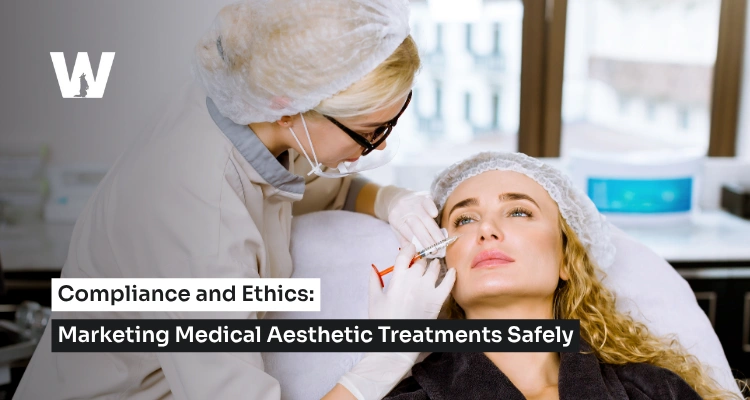
Marketing medical aesthetic treatments safely isn't just about following rules-it's about protecting your practice from devastating financial penalties whilst building genuine trust with patients. With substantial FTC fines and increasing regulatory scrutiny, compliance has become the difference between thriving practices and those facing closure.
This comprehensive guide reveals everything you need to know about marketing aesthetic treatments ethically and legally in today's digital landscape.
The aesthetic medicine industry faces unprecedented regulatory oversight because patient safety depends on accurate information. Unlike traditional beauty products, medical aesthetic treatments carry real risks and require qualified professionals to administer them safely.
Regulatory bodies like the FDA, FTC, and state medical boards work together to ensure consumers receive truthful information about treatments. This protection extends beyond basic safety-it encompasses financial protection from misleading claims that could lead to unrealistic expectations.
The stakes couldn't be higher. Practices violating advertising regulations face immediate penalties, long-term reputational damage, and potential practice closure. More importantly, non-compliant marketing can directly harm patients who make treatment decisions based on inaccurate information.
Modern consumers research aesthetic treatments extensively online before booking consultations. This makes your digital marketing materials - from social media posts to Google Ads-critical touchpoints that must meet strict compliance standards.
Understanding the regulatory landscape requires recognising that multiple agencies oversee different aspects of aesthetic treatment marketing. Each agency has specific jurisdiction and enforcement powers that directly impact how you can promote your services.
The FDA regulates medical devices and cosmetic products used in aesthetic treatments. Any claims about FDA-approved devices must reference specific cleared indications only. You cannot extrapolate beyond what the FDA has explicitly approved for each device.
The FTC enforces truth-in-advertising standards across all marketing channels. Their guidelines require substantiation for every claim, proper disclosure placement, and honest representation of typical results. FTC violations carry significant financial penalties and ongoing monitoring requirements.
State medical boards govern professional advertising standards within their jurisdictions. These boards can restrict how practitioners advertise their services, require specific disclaimers, and enforce scope-of-practice limitations that vary by location.
Understanding these overlapping jurisdictions helps you create marketing strategies that satisfy all relevant authorities simultaneously.
You don't need FDA approval to advertise aesthetic treatments, but you must only reference FDA-cleared indications for medical devices and FDA-approved uses for injectable products. This distinction critically impacts every piece of marketing content you create.
For FDA-cleared devices, you can state "FDA-cleared for [specific indication]" but cannot claim effectiveness beyond the cleared use. For example, if a laser is cleared for hair removal, you cannot advertise it for skin tightening unless that's also specifically cleared.
For injectable treatments like Botox, you must reference only FDA-approved indications. Botox is approved for specific areas like frown lines, crow's feet, and forehead lines. Marketing for "off-label" uses requires careful legal consultation.
Cosmetic products follow different rules than medical devices. Pure cosmetic treatments (like basic facials) have fewer restrictions but claims about anti-ageing effects or medical benefits trigger stricter oversight.
Creating compliant advertising copy requires understanding these nuances. Professional copywriting services, like those offered through Wolfable's content creation team, can help ensure your marketing materials meet all regulatory requirements whilst remaining compelling to potential patients.
Injectable treatments represent the highest-risk category for advertising violations because of their medical classification and popularity. Every claim must be carefully crafted to reflect approved uses and realistic outcomes.
For Botox treatments, you can advertise FDA-approved indications using specific language like "FDA-approved for moderate to severe frown lines." You cannot use terms like "permanent," "guaranteed," or "fountain of youth" that suggest unrealistic results.
Dermal filler advertising must distinguish between different FDA-approved products and their specific indications. Some fillers are approved for lip augmentation, others for nasolabial folds, and some for cheek enhancement. Cross-referencing indications creates compliance violations.
Safe advertising language focuses on the treatment process rather than guaranteed outcomes. Instead of "eliminate wrinkles forever," use "reduce the appearance of dynamic wrinkles" with appropriate disclaimers about individual results.
Patient testimonials and reviews require special handling for injectable treatments. Testimonials must represent typical results, include proper disclaimers, and avoid medical claims that exceed your scope of practice.
Developing compliant copy for injectable treatments often requires legal review before publication. Many practices partner with digital marketing agencies that specialise in healthcare compliance to ensure all content meets regulatory standards.
Before and after photos are legal when they comply with strict documentation and presentation requirements. These powerful marketing tools can demonstrate treatment effectiveness whilst maintaining regulatory compliance through careful implementation.
Patient consent documentation must be comprehensive and specific. Patients must understand how their photos will be used, where they'll appear, and for how long. Generic consent forms often lack the specificity required for compliant photo usage.
Image authenticity requirements prohibit digital enhancement beyond basic colour correction and cropping. You cannot alter lighting, smooth skin digitally, or otherwise manipulate images to enhance apparent results.
Standardised photography conditions ensure fair representation of treatment outcomes. This includes consistent lighting, camera angles, patient positioning, and timing of photos relative to treatment completion.
Representative results presentation requires showing typical outcomes rather than exceptional cases. If you display extraordinary results, they must be clearly labelled as atypical with appropriate disclaimers about individual variation.
Creating compliant before and after photo galleries requires systematic processes for consent, photography, and presentation. Many practices benefit from professional photography services and content management systems that maintain compliance standards automatically.
Social media marketing for aesthetic treatments requires platform-specific compliance strategies because each network has unique policies regarding healthcare advertising. Understanding these differences helps you maintain compliance across all channels.
Instagram and Facebook restrict health claims and require special advertising certifications for promoted posts about medical treatments. Organic content still must comply with FTC guidelines for substantiation and disclosure.
TikTok's medical misinformation policies are particularly strict, automatically flagging content that makes health claims without proper credentials display. The platform's algorithm can suppress accounts that repeatedly violate these policies.
YouTube healthcare advertising guidelines require clear disclaimers and professional credential verification for monetised content. Educational content must distinguish between general information and specific medical advice.
LinkedIn professional standards apply to aesthetic treatment marketing, requiring appropriate professional presentation and avoiding sensationalised health claims that could damage professional credibility.
Wolfable's social media marketing services specialise in creating healthcare-compliant content that engages audiences whilst meeting platform-specific requirements.
Understanding prohibited language helps you avoid the most expensive compliance violations. These common mistakes trigger immediate regulatory attention and can result in significant penalties.
"Guaranteed permanent results" represents the most serious violation because aesthetic treatments cannot guarantee specific outcomes for every patient. Regulatory bodies view such claims as fraudulent advertising that misleads consumers.
"FDA-approved" when referring to off-label uses creates immediate violations. You can only reference specific FDA approvals, not extrapolate to unapproved uses even if the device itself has FDA clearance.
"Fountain of youth" or similar anti-ageing superlatives exceed what medical treatments can legitimately claim. These terms suggest unrealistic benefits that regulatory bodies consider misleading advertising.
Medical claims by non-medical staff violate scope of practice regulations. Only licensed practitioners can make certain claims about treatment outcomes and medical benefits.
"Before and after" without proper disclaimers fails to meet FTC requirements for representative results and individual variation disclosure.
Avoiding these common violations requires systematic content review processes and staff training on compliant language usage.
Responding to negative reviews requires balancing patient privacy protection with reputation management whilst maintaining professional standards and regulatory compliance.
Patient privacy protection prohibits discussing specific treatment details in public responses. HIPAA violations can occur even when trying to defend your practice against unfair criticism.
Professional response standards require maintaining clinical objectivity and avoiding emotional reactions that could damage your professional reputation or create additional compliance issues.
Legal consultation timing becomes critical when negative reviews allege malpractice or safety concerns. Some responses require legal review before publication to avoid inadvertent admissions of liability.
Many practices develop template responses that acknowledge concerns whilst protecting patient privacy and maintaining professional standards. These templates should receive legal review before implementation.
Modern compliance management requires technological solutions that automate monitoring, documentation, and approval processes across multiple marketing channels.
Content management systems with built-in compliance checking can flag potentially problematic language before publication. These systems maintain archives of all marketing materials with approval workflows and audit trails.
Automated disclaimer inclusion ensures consistent compliance elements across all platforms. These systems can automatically add required disclaimers to social media posts, website content, and advertising materials.
Multi-platform consistency tools monitor your marketing presence across channels to identify compliance gaps or inconsistent messaging that could trigger regulatory attention.
Compliance tracking dashboards provide real-time monitoring of your marketing compliance status with alerts for potential violations and upcoming review deadlines.
Wolfable's WordPress development and SEO services include compliance-focused website solutions that automate many regulatory requirements whilst maintaining strong search engine performance.
Regular compliance auditing prevents small violations from becoming major regulatory problems whilst ensuring your marketing remains effective within legal boundaries.
Monthly content audits should review all published materials for compliance with current regulations. This includes social media posts, website content, advertising campaigns, and patient communications.
Quarterly comprehensive reviews should assess your entire marketing strategy against evolving regulatory guidance. Regulations change frequently, and staying current requires systematic monitoring.
Trigger event reviews become necessary when regulations change; new treatments are added, or regulatory warnings affect your industry. These reviews ensure immediate compliance adjustments.
Annual professional assessments by legal counsel specialising in healthcare advertising provide comprehensive compliance verification and strategic planning for the coming year.
Establishing regular review schedules prevents compliance drift and maintains your competitive advantage through consistently legal marketing practices.
Immediate response to potential violations can minimise penalties and demonstrate good faith compliance efforts to regulatory authorities.
Immediate content removal stops ongoing violations and limits exposure to additional penalties. Document what was removed and when to demonstrate responsive action.
Legal consultation should happen within 24-48 hours of discovering potential violations. Early legal involvement often prevents minor issues from escalating into major enforcement actions.
Proactive regulatory communication may be appropriate in serious cases. Sometimes contacting regulatory bodies directly to report self-discovered violations and corrective actions can reduce penalties.
Internal process review helps identify why the violation occurred and prevents similar future issues through improved compliance systems and staff training.
Marketing medical aesthetic treatments safely requires balancing regulatory compliance with effective patient communication. Success comes from viewing compliance as a competitive advantage rather than a burden.
Professional digital marketing support becomes essential for practices serious about growth whilst maintaining compliance. The complexity of overlapping regulations, platform-specific policies, and evolving guidelines makes expert guidance invaluable.
Wolfable's comprehensive digital marketing services help aesthetic practices build compliant, effective marketing strategies that attract qualified patients whilst protecting against regulatory violations. Our team understands the unique challenges of healthcare marketing and provides solutions that work within strict regulatory frameworks.
Ready to build a compliant marketing strategy that actually drives growth? Contact Wolfable Today for a consultation about your aesthetic practices in digital marketing needs. Our healthcare-focused approach ensures your marketing investments generate results whilst maintaining the highest compliance standards.