Digital Marketing
Wraps up in 15 Minutes
Top Digital Marketing Mistakes that UK Manufacturers Must Avoid

Published On October 31, 2025
Wraps up in 15 Minutes
Published On October 31, 2025
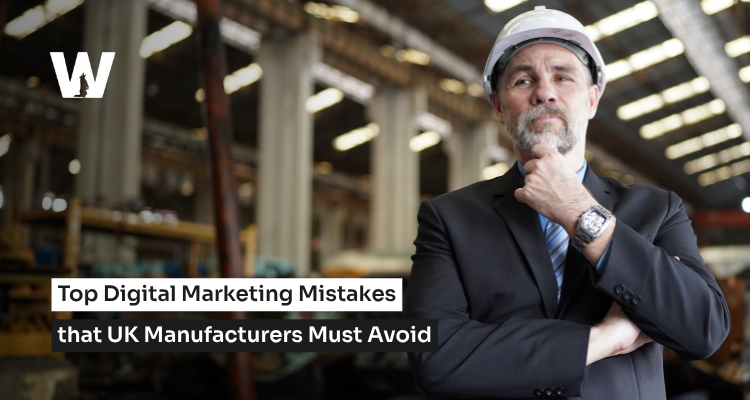
Many UK manufacturers continue to rely on traditional marketing approaches, potentially overlooking significant revenue opportunities each year.
While the manufacturing sector makes substantial contributions to our economy, numerous companies within this crucial industry find it challenging to fully leverage digital marketing. The market has undergone considerable changes in recent years, presenting both new hurdles and untapped possibilities that many manufacturers have yet to utilize.
This comprehensive guide identifies the common challenges UK manufacturers encounter and offers practical strategies to overcome them effectively.
LinkedIn isn't just another social platform - it's where 80% of B2B leads originate. Yet surprisingly, 61% of UK manufacturers maintain inactive or poorly optimised LinkedIn profiles.
Many manufacturing leaders view LinkedIn as "just for HR" or consider it too informal for serious business. This misconception costs them direct access to procurement managers, technical directors, and C-suite executives who actively use the platform for vendor research.
Industrial buyers spend an average of 67% of their purchasing journey researching suppliers online before making contact. LinkedIn Company Pages with regular activity generate 5x more page views and 7x more impressions than dormant profiles.
Generic "business tips" content won't resonate with technical decision-makers who deal with complex manufacturing challenges daily.
Most manufacturing companies publish generic business content that could apply to any industry. This approach fails because industrial buyers need evidence that you understand their specific operational challenges, regulatory requirements, and technical constraints.
Different manufacturing sectors face unique pain points:
1. Technical Authority Content: Create in-depth content that showcases your understanding of manufacturing processes, quality standards, and operational challenges. This builds trust with technical decision-makers.
2. Regulatory Compliance Content: Address CE marking requirements, ISO standard updates, and industry-specific regulations. This demonstrates that you understand the compliance landscape your clients navigate.
3. Case Study Content: Document specific challenges, solutions implemented, and measurable results. Include technical details that resonate with engineering teams.
Manufacturing sales cycles aren't measured in days or weeks—they're measured in months or even years. Yet many manufacturers approach digital marketing with unrealistic timeline expectations.
Industrial purchasing decisions involve multiple stakeholders, extensive evaluation periods, and complex approval processes. The average manufacturing sales cycle ranges from 12-18 months for significant purchases.
This extended timeline means that manufacturers need marketing strategies focused on relationship building, not quick conversions. Traditional e-commerce tactics simply don't apply.
Manufacturing buyers research extensively before engaging with suppliers. They evaluate:
1. Technical capabilities and certifications
2. Production capacity and scalability
3. Quality management systems
4. Financial stability and reliability
5. Industry experience and references
Each evaluation stage requires different content and touchpoints. Rushing this process with aggressive sales tactics often backfires.
Many manufacturers assume that local SEO only applies to retail businesses. This misconception costs them significant opportunities, especially in the post-Brexit landscape.
Even B2B buyers increasingly search for local suppliers. Terms like "precision engineering near me" or "automotive parts supplier Manchester" generate high-intent traffic from qualified prospects.
Brexit has intensified the preference for UK-based suppliers. Companies want to reduce supply chain complexity and avoid potential customs delays. This creates opportunities for manufacturers who optimise for local search terms.
Manufacturing websites often fail to serve their primary audience: technical decision-makers who need quick access to detailed specifications, certifications, and capabilities.
Most manufacturing websites suffer from:
1. Buried technical specifications
2. Poor mobile responsiveness
3. Slow loading speeds
4. Complex navigation structures
5. Generic contact forms that don't capture project details
67% of B2B manufacturing research happens on mobile devices, yet only 23% of manufacturing websites provide optimised mobile experiences. Technical buyers often research suppliers during downtime, using smartphones and tablets.
Site speed optimisation: Page load speed directly impacts B2B conversions. Every additional second of load time reduces conversions by 12%. Optimise images, minimise plugins, and use content delivery networks.
Manufacturing is an inherently visual process; machines, machinery, and capabilities are best showcased through video. Yet, many manufacturers rely heavily on text-based content that fails to highlight their true capabilities.
Many manufacturers believe that technical buyers prefer detailed written specifications. While specifications remain important, video content significantly enhances understanding and builds trust.
Manufacturing involves complex processes that are difficult to explain through text alone. Video content allows prospects to:
1. Product demonstration videos: Short, focused videos showcasing specific capabilities or problem-solving approaches. These perform exceptionally well on LinkedIn and YouTube.
2. Behind-the-scenes manufacturing content: Give prospects confidence in your capabilities by showing your facility, equipment, and team in action. This transparency builds trust with potential clients.
3. Technical explainer videos: Break down complex processes into understandable segments. These work particularly well for educating prospects about innovative manufacturing techniques.
4. Virtual facility tours: COVID-19 made physical facility visits challenging. Virtual tours allow prospects to evaluate your capabilities remotely while maintaining social distancing requirements.
Manufacturing companies often struggle with a lack of alignment between sales and marketing teams, leading to inefficient lead management and missed opportunities. their sales and marketing teams, resulting in
Sales teams often complain about poor lead quality, while marketing teams argue that sales do not follow up quickly enough. This disconnects costs manufacturers an average of 27% of their potential revenue each year.
Common issues include:
1. Unclear lead qualification criteria
2. Delayed follow-up on marketing-generated leads
3. Inconsistent messaging between marketing and sales
4. Lack of feedback on lead quality and outcomes
Lead qualification processes: Implement BANT (Budget, Authority, Need, Timeline) qualification enhanced with manufacturing-specific criteria:
1. Production volume requirements
2. Technical specification complexity
3. Compliance and certification needs
4. Implementation timeline flexibility
CRM adoption and usage: Ensure both teams use integrated CRM systems that track the complete customer journey from initial marketing touchpoint through closed deals.
UK manufacturers face unique digital marketing challenges, but the companies that overcome these seven critical mistakes will gain significant competitive advantages. The key is understanding that manufacturing marketing requires patience, technical expertise, and strategies designed for long B2B sales cycles.
While you're reading this, your competitors might be implementing these strategies and capturing market share. The manufacturers who embrace digital transformation now will dominate their sectors in the coming years.
At Wolfable, we specialise in helping UK manufacturers navigate these challenges and build digital marketing strategies that generate consistent, high-quality leads. Our comprehensive services-from SEO and social media marketing to video development and WordPress solutions-are designed specifically for the manufacturing sector's unique needs.